

Potty training can feel like a really daunting task for many parents. If you’re wondering when it will finally click, you’re not alone. It can feel especially overwhelming when your child is neurodivergent or has challenges with behavior, transitions, or tolerating new experiences.
As ABA therapists, potty training is a very common goal we work on with our clients. Today, we are sharing some practical, realistic advice to help make the process feel more manageable.
These are the 5 key things to consider when beginning potty training. With the right setup and expectations, this process can feel much more approachable for both you and your child.
- Make the Bathroom More Inviting
The first step is making the bathroom a place your child actually wants to be. If your child is hesitant to even enter the bathroom, potty training becomes much harder.
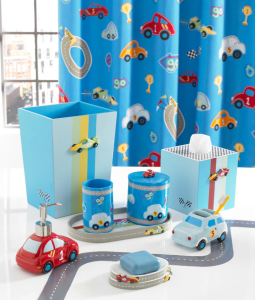
Try decorating the bathroom with things your child loves. This might include race cars, dinosaurs, Disney characters, or their favorite TV show. You can also bring in fun sensory elements like music, bubbles, or toys that are only used during bathroom time.
The goal is for your child to feel comfortable, motivated, and even excited about being in the bathroom.

- Break the Process Into Smaller Steps
In ABA, we break life skills into smaller, teachable steps. Potty training is no different.
- Entering the bathroom
- Pulling down pants and underwear
- Sitting on the potty
- Voiding, if it happens
- Wiping
- Standing up
- Pulling pants and underwear back up
- Flushing the toilet
- Washing hands, which can also be broken into smaller steps
Children can be guided through these steps verbally, with physical prompting, or with visual supports. Visual schedules are especially helpful because they show your child exactly what to expect and what comes next.
- Build a Predictable Routine
Sudden changes and unpredictability can cause distress for many children. That’s why creating a predictable potty routine is so important.
When starting potty training, we recommend taking your child to the bathroom every 15 to 30 minutes. Try to stick to this schedule as consistently as possible.
Before it’s time to go, prepare your child by giving a reminder, “In two minutes, we’re going to the bathroom.” Many children also respond really well to visual timers. A fun, easy-to-see timer can make transitions smoother and less stressful.
Keeping the bathroom routine the same each time can also help your child feel safe and confident.
- Use Positive Reinforcement
Positive reinforcement plays a huge role in potty training success.
Reinforcement can look like giving a small treat when your child uses the potty, and using a token board where they earn a bigger reward after several successes. Always offer lots of praise and celebration when your child sits on or uses the toilet.
As potty training becomes more routine and your child gains independence, these reinforcements can slowly be faded out.
- Watch for Your Child’s Cues
Learning your child’s bathroom cues is another important part of potty training. Common cues include the “potty dance,” squatting, wiggling, or hiding under tables or in corners.
Even if your child is on a set potty schedule, accidents can still happen. If you notice these cues, transition your child to the bathroom right away. This increases the chances of success and allows you to provide positive reinforcement when they do use the toilet.
What NOT to Do
There are also a few important things to avoid during potty training.
- Do not force your child into the bathroom.
- If your child is telling you no, respect that. We never want the bathroom to become a place they fear or avoid.
- Even at home, remember to close the bathroom door to protect your child’s dignity. Feeling safe and respected is an important part of this process.
We hope these tips make potty training a more positive and successful experience for you and your child. Remember, every child moves at their own pace, and progress is still progress, even when it feels slow. If you need additional support with potty training, our team is here to help. Reach out to learn more about our services.


Maisy RBT & Kayla RBT, NTC
In the video below, RBT Kayla explains the 5 key tips to make potty training easier.
